
Choosing the right aluminium and glass solutions is crucial for both aesthetics and functionality. Whether you are planning a residential villa, a commercial building, or an industrial project, the materials and systems you select can impact durability, energy efficiency, and overall design appeal.
1. Understand Your Project Requirements
-
Building Type: Residential, commercial, or industrial projects have different structural and design needs.
-
Design Goals: Decide if you want a modern, sleek look or a more classic style.
-
Performance Requirements: Consider thermal insulation, soundproofing, and weather resistance.
2. Select the Right Aluminium Systems
-
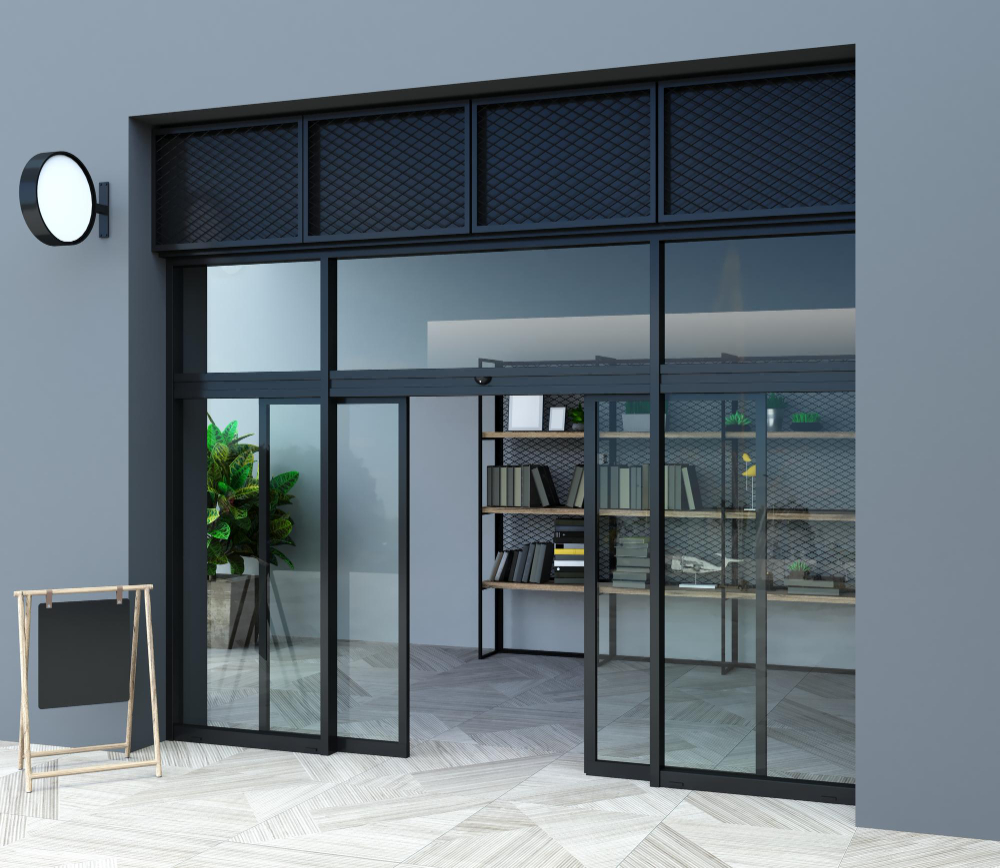
Windows & Doors: Choose from sliding, casement, or automatic systems based on space, convenience, and security.
-
Curtain Walls: Structural or semi-unitized curtain walls provide elegance and natural lighting for commercial buildings.
-
Canopies & Skylights: Aluminium frames combined with glass can enhance functionality and design aesthetics.
3. Choose the Appropriate Glass Type
-
Tempered Glass: Strong and safe, ideal for doors, windows, and partitions.
-
Laminated Glass: Offers safety and sound insulation for high-traffic or noisy areas.
-
Tinted or Coated Glass: Helps with heat control and energy efficiency.
-
Decorative Glass: Frosted, etched, or patterned glass adds style to interiors and façades.
4. Consider Durability & Maintenance
-
Aluminium systems should be corrosion-resistant, especially for coastal or high-humidity areas.
-
Glass should be easy to clean and maintain while retaining clarity and aesthetic appeal.
5. Budget & Value
-
Invest in high-quality materials that offer long-term durability rather than cheaper alternatives.
-
Factor in installation costs, maintenance, and potential energy savings from efficient systems.
6. Work with Experienced Professionals
-
Engage with a trusted fabrication and installation company that can provide guidance on design, material selection, and custom solutions.
-
Ensure compliance with local building codes, safety standards, and quality assurance.